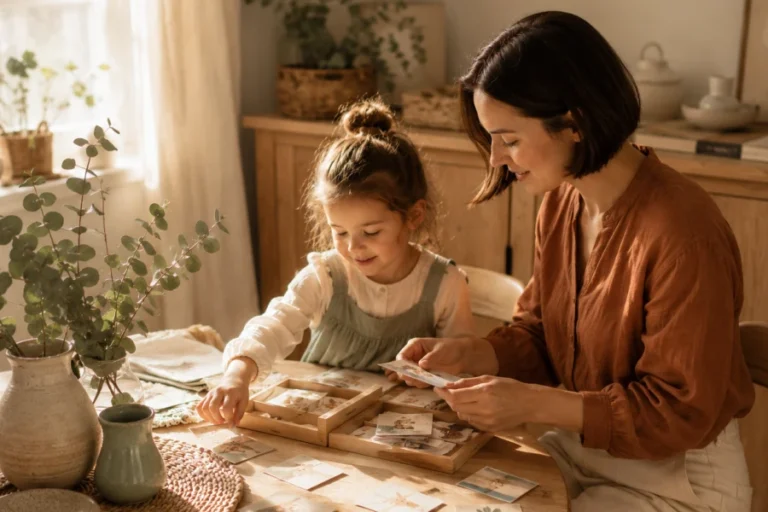
Reading Confidence Activities for Kids work best when they fit naturally into ordinary family moments. Children benefit from chances to revisit familiar sounds and words, talk about stories, and notice small progress without a long explanation. Those chances can happen after a tricky reading day, before a favorite bedtime story, or during a quiet weekend break. A small, repeatable routine often matters more than an ambitious plan. The adult does not need to perform or teach every minute. Instead, the goal is to create a little more reading confidence through familiar practice. A child can take part by choosing, pointing, moving, listening, or simply watching. That flexibility makes the practice easier to return to tomorrow. The most useful activities leave room for a child’s own pace. They also give adults a calmer way to respond when the day becomes busy.
Why Reading Confidence Activities for Kids Create Easier Everyday Practice
Start by choosing one predictable point in the day rather than adding a new project everywhere. That might be after a tricky reading day, before a favorite bedtime story, or during a quiet weekend break, when a short activity already feels welcome. Use confident reading practice resource to gather a few options before the moment arrives. Keep the first invitation simple enough that a child can begin without much help. Useful choices may include picture walks, sound hunts, confidence stickers, character retells, and bedtime story games. Offer two options instead of presenting the entire collection at once. A small choice gives children ownership while keeping the setup manageable. Notice what they return to on their own, not only what looks impressive. That observation tells you more than a rigid schedule ever could. Over time, the family can build a reliable starting point that feels familiar.
How Reading Confidence Activities for Kids Can Match Your Child’s Energy
Next, let the child practice through real action instead of extended instruction. The strongest moments often involve opportunities to revisit familiar sounds and words, talk about stories, and notice small progress. Hands-on repetition gives an idea time to become comfortable. It also reduces the feeling that someone is waiting for a perfect answer. Adults can keep the pace kind, let the child pause, and praise the strategy rather than speed. Questions work best when they invite a child to notice rather than perform. Try asking what they see, what they remember, or what they would try next. Leave enough silence for the child to think before stepping in. That pause can make an activity feel cooperative instead of corrective. When the child needs help, offer one hint and return the turn gently.
Begin With a Clear, Simple Setup
A useful family system protects the activities that are easiest to repeat. Save a few favorites inside gentle literacy activity set so preparation does not become another task. Rotate only one or two fresh options when the current choices lose energy. Familiarity is not boredom when a child is still finding confidence. A repeatable theme can carry the practice through different moods and schedules. Some days will have room for a longer project or conversation. Other days may only allow a quick game, a simple question, or a short reset. Both kinds of practice count because they keep the connection alive. Make cleanup or closing part of the routine whenever materials are involved. A clear ending makes it easier for everyone to begin again later.
Making Reading Confidence Activities for Kids Easier to Repeat
The fastest way to drain interest is measuring progress only by how quickly a child reads. Children often sense when an activity has become a hidden test. The adult can lower that pressure by describing effort before evaluating results. Praise a strategy, a careful observation, or a kind return after frustration. Avoid adding more materials just because one session was brief. A short, positive experience is usually more valuable than a long, tense one. The child does not need to master every piece before moving on. Progress may look like trying again, asking a question, or using a familiar idea independently. These quieter signs deserve to be noticed and named. They create the emotional space that helps learning keep moving.
Keep the Experience Playful, Not Pressured
Choose a short reread of a book the child already knows and protect it from unnecessary distractions. Keep the materials within reach, but place only a few in view. repeatable reading support can make it easier to decide what comes next. Use one reliable opening phrase so the child recognizes the invitation. For example, you might ask which activity feels right today. End with a small reflection rather than a score or correction. Ask which familiar activity helped the child feel successful again. Then write down the answer, take a photo, or simply remember it for tomorrow. That tiny record makes patterns easier to spot over several weeks. Soon, the routine can adapt without becoming complicated.
How Reading Confidence Activities for Kids Support Lasting Confidence
Long-term growth comes from ordinary practice that families can actually sustain. Success does not require a flawless setup, a full afternoon, or a constant stream of new ideas. It grows through small invitations that feel safe enough to repeat. A child learns that curiosity is welcome and mistakes are not the end of the moment. Adults learn which supports make the next day easier. With time, children gain momentum when reading feels like a place where effort is noticed and safety remains intact. The family’s role is not to force a result on schedule. It is to create a dependable space where one next step feels possible. That kind of rhythm builds skill, connection, and resilience together. And it gives children a reason to return with growing confidence.